Blood Pressure Monitoring at Home
Page last reviewed: 09 July 2026
Page created: 23 February 2023
Page created: 23 February 2023
We've put some small files called cookies on your device to make our site work.
We would also like to use google translate cookies and analytical cookies to understand how our site is used and improve user experience. Analytical cookies send information to Google Analytics.
Let us know your preference. We will use a cookie to save your choice. Before you make your choice you can read more about our cookie policy.
You can change your cookie settings at any time using our cookie policy.
High blood pressure (also called hypertension) can lead to serious problems like heart attacks or strokes. But lifestyle changes and blood pressure medicines can help you stay healthy.
Crane Valley PCN has made the decision to discontinue the BP@Home monitoring service, and we will no longer be using the Luscii app.
We understand this may be disappointing news for those who enjoyed using the digital system, and we sincerely apologise for any inconvenience.
Rest assured that your care remains our top priority. Regular home blood pressure readings are still an excellent way to manage your health.
Please continue to take your home BP readings and submit them to us when requested via SystmConnect or drop a note into Reception with your name and date of birth.
Persistent high blood pressure (also known as hypertension) can increase your risk of some serious and potentially life-threatening health conditions, such as:
In England, more than 1 in 3 adults has high blood pressure. Monitoring your numbers is the first step in staying healthy.
If you have high blood pressure, reducing it even a small amount can help lower your risk of these health conditions.
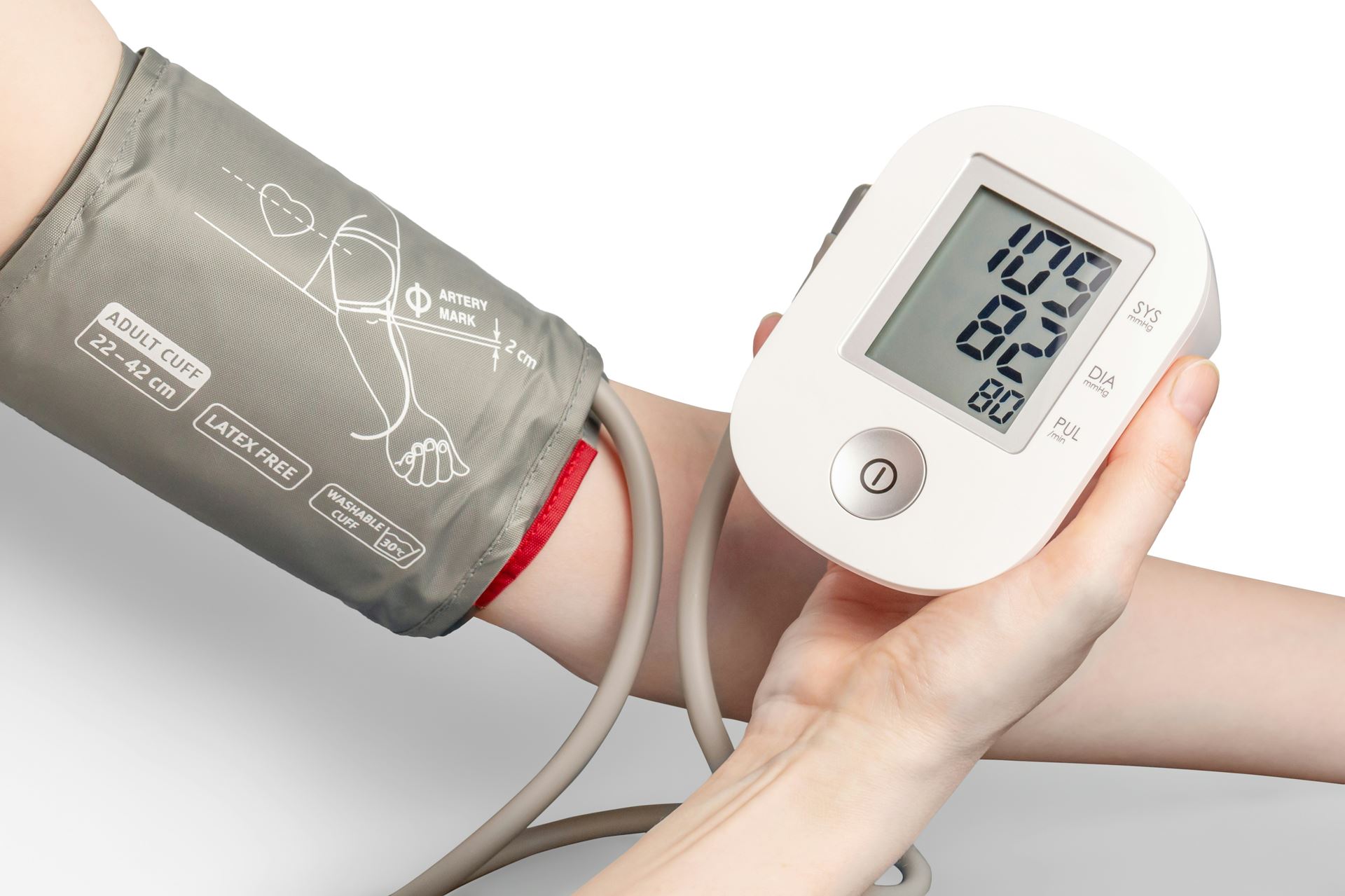
To get an accurate reading, your body needs to be at rest. Avoid taking your blood pressure when you are feeling stressed, in pain, or in a hurry.
Tips for a steady reading:
Rest first: Sit quietly for 5 minutes before you start.
Positioning: Sit with your back supported and both feet flat on the floor.
Arm position: Rest your arm on a table so it is at the same level as your heart.
Stay still: Do not talk or cross your legs while the machine is taking your reading.
When taking your blood pressure readings, it is important to be relaxed, so avoid taking your blood pressure when stressed, in pain or in a hurry.
For advice about taking your blood pressure readings at home, visit our Advice Page here
Let us know your reading via SystmConnect or drop a note in to Reception with your name and date of birth.