Vaccination Information
Vaccination update - July 14th 2026 - MenB Vaccines
Winter flu (influenza) vaccination
Influenza (flu) vaccination is important because, while flu is unpleasant for most people, it can be dangerous and even life-threatening for some, particularly those with certain health conditions. Getting vaccinated helps protect individuals from flu and relieves the pressure on the NHS and social care services.
In the UK, the flu vaccination season typically starts in September and runs until March, with the main push for vaccinations occurring between September and early December. This ensures people are protected before flu activity peaks, usually between December and March.
We publish details of seasonal Winter Flu vaccination arrangements on our Facebook page and this web page following confirmation by the NHS each season.
Read more information on the flu vaccination on the NHS website.
COVID-19 vaccination
Viruses change, and protection fades over time. The COVID-19 vaccine helps protect against COVID-19 virus, which can be a serious or life-threatening illness. People at increased risk of getting seriously ill from COVID-19 are invited to receive the vaccine, which the NHS usually offers in spring and early winter.
Getting the COVID vaccine can help reduce your risk of getting severe symptoms and help you recover more quickly if you catch COVID. It protects against different types of the COVID virus and can help reduce your risk of being hospitalised if you become infected.
We publish details of seasonal COVID-19 vaccination arrangements on our Facebook page and this web page following confirmation by the NHS each season.
Learn more about the COVID-19 vaccination on the NHS website.
Respiratory Syncytial Virus (RSV) Vaccinations
Who is Eligible?
You are eligible for the free NHS RSV vaccine if you fall into any of the following groups:
- Adults aged 75 and over: You become eligible on your 75th birthday.
- Residents in care homes for older adults: Eligible regardless of age.
- Pregnant women: You are eligible during every pregnancy once you reach 28 weeks. Having the vaccine while pregnant passes antibodies to your baby, protecting them during their first few months of life when they are most vulnerable.
How to Get Your Vaccine
- If you are pregnant: Speak to your midwife at your 28-week antenatal appointment, or contact our reception team to book an appointment with our practice nurse.
- If you are aged 75 or over: We will contact you by text message, letter, or phone call when you are due. If you think you were missed or have recently turned 75, please get in touch with reception to book.
Useful Links
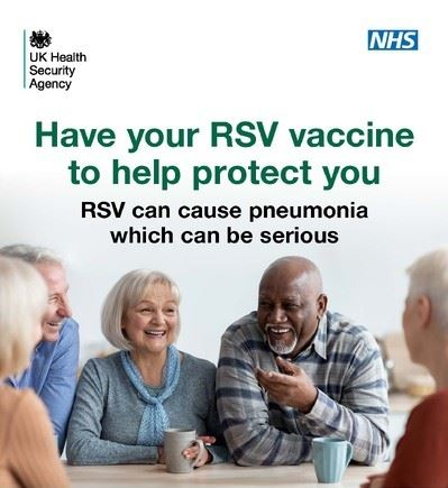
The RSV vaccine helps protect against Respiratory Syncytial Virus (RSV). While RSV causes common cold symptoms in most adults, it can lead to serious chest infections, severe breathing difficulties, and hospitalisation in older adults and young infants.
How the Vaccine is Given
The RSV vaccine is a single injection given into your upper arm. Unlike the seasonal flu vaccine, you only need 1 dose to get long-lasting protection, and it can be given at any time of the year.
Shingles Vaccinations
The shingles vaccine helps protect you from shingles—a common and often painful skin condition that can lead to long-term nerve pain.
How the Vaccine is Given
Unlike older versions of the vaccine, the current NHS vaccine (Shingrix) is given as 2 separate injections in your upper arm:
- Most adults: 2 doses given 6 to 12 months apart.
- Severely weakened immune system: 2 doses given 8 weeks to 6 months apart.
Who is Eligible?
You are eligible for the free NHS shingles vaccine if you meet any of the following criteria:
- Aged 70 to 79 (you remain eligible up until your 80th birthday).
- Turned 65 on or after 1 September 2023.
- Aged 18 or over with a severely weakened immune system.
Note: If you turned 65 before 1 September 2023, you will become eligible when you turn 70 as part of the NHS phased rollout.
How to Get Your Vaccine
- We will contact you: In most cases, you do not need to call us. We will invite you when you become eligible.
- If you missed your invite: If you think you were previously eligible and missed your appointment, please contact our reception team to book your vaccination.
Useful Links
-
Check full eligibility details on the NHS Shingles Vaccine overview page.
Pneumococcal vaccine for over 65s
Protection against serious and potentially fatal pneumococcal infections.
A pneumococcal infection can affect anyone. But some people such as adults aged 65 or over are at higher risk of serious illness.
The pneumococcal vaccine protects against serious and potentially fatal pneumococcal infections. It's also known as the pneumonia vaccine.
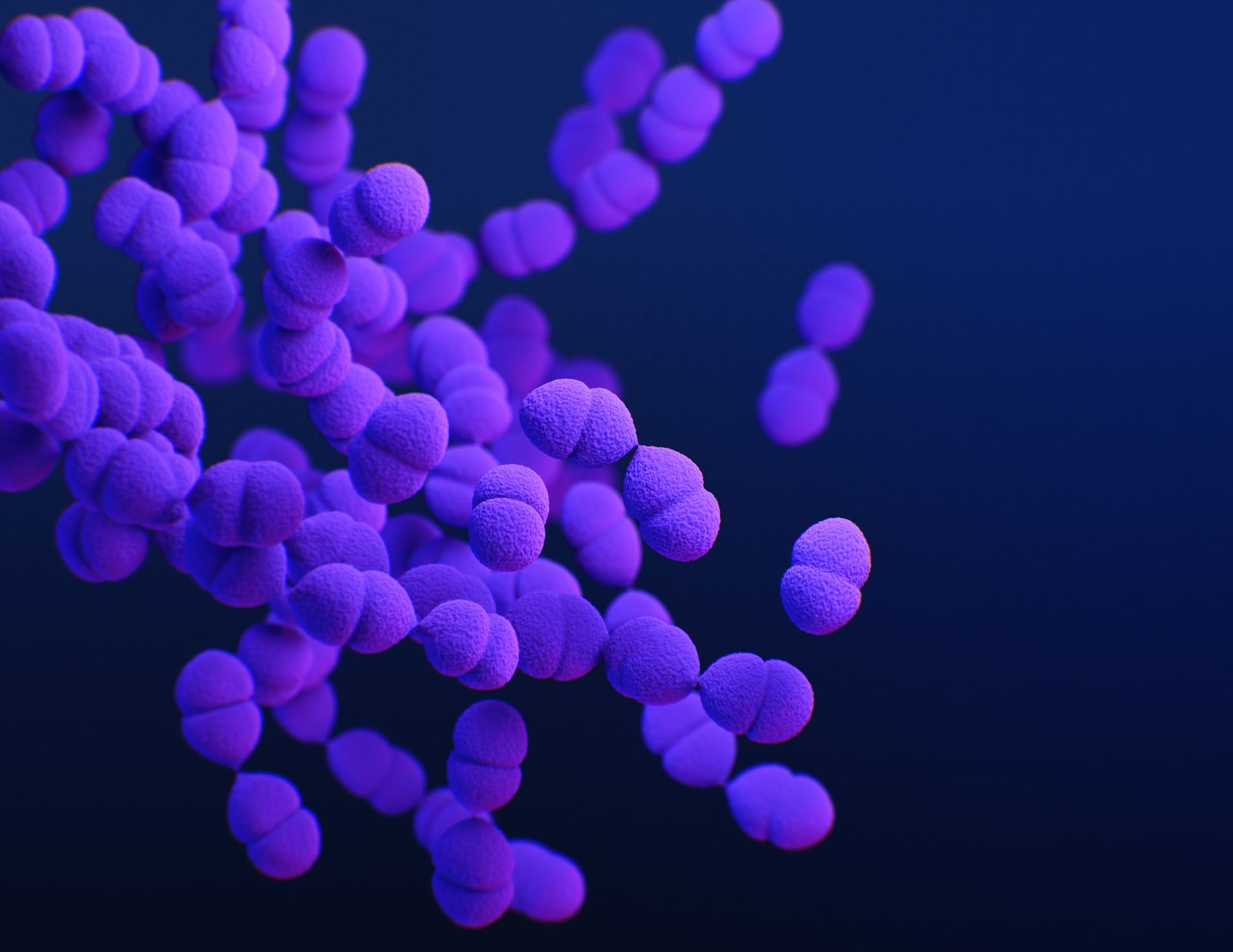
Pneumococcal infections are caused by the bacterium Streptococcus pneumoniae and can lead to pneumonia, blood poisoning (sepsis) and meningitis.
Most people only need 1 dose of the vaccine for long-term protection. The protection only starts to reduce after 5 years. For more information visit the Pneumococcal vaccine overview page on the NHS website:>>
Men ACWY Vaccination
A rare but life-threatening disease caused by meningococcal bacteria.
Meningococcal disease (meningitis and septicaemia) is a rare but life-threatening disease caused by meningococcal bacteria.
Older teenagers and new university students are at higher risk of infection because many of them mix closely with lots of new people, some of whom may unknowingly carry the meningococcal bacteria at the back of their nose and throat.
"Fresher" students going to university for the first time should make sure they've had the MenACWY vaccine to prevent meningitis and septicaemia, which can be deadly.
The MenACWY vaccine is usually given to children at age 13 or 14 (school year 9).
If you missed getting the vaccine when you were at school, you can still get it up to age 25.
For more information, visit the MenACWY vaccine overview page on the NHS website.
Childhood Immunisation
Childhood immunisation is an important aspect of your child's healthcare. For information on routine childhood immunisation, please visit our Children's Health page by following this link:>>
Travel Vaccinations
Foreign travel may expose patients to certain infections. So, If you're planning to travel outside the UK, find out what vaccinations you might need on our Travel Health page by following this link:>>
Page created: 13 October 2026